
Courts Reshape Crypto's Legal Landscape as Major Rulings Land
A series of court decisions this week sets new precedents for how digital assets are treated under U.S. law.
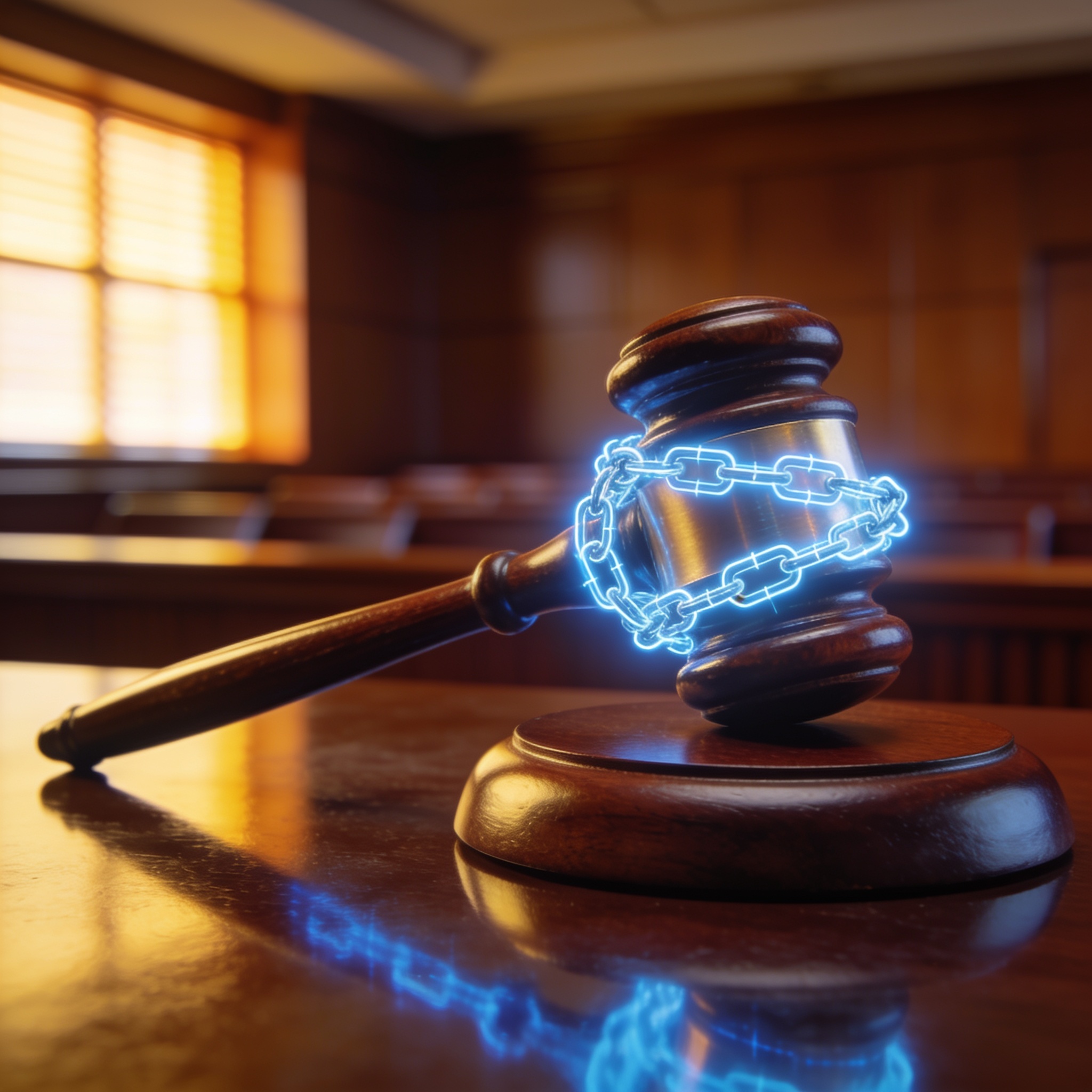
This week, a cascade of courtroom rulings sent shockwaves through the cryptocurrency industry, forcing exchanges, developers, and investors to recalibrate their understanding of legal boundaries. From jurisdictional disputes to classification of tokens, the judiciary is increasingly becoming the arbiter of crypto's future — often faster than regulators themselves.
Key Decisions That Moved the Needle
- Secondary sales exemption: A federal judge ruled that certain token sales on public exchanges did not constitute securities transactions, bolstering the argument that secondary market trades may fall outside SEC jurisdiction.
- Exchange liability clarified: Another court held that a major trading platform could be held responsible for failing to prevent wash trading by its users, setting a new compliance benchmark.
- DAO governance on trial: A novel case found that a decentralized autonomous organization's members could be treated as a general partnership under state law, exposing token holders to personal liability.
These rulings come at a time when the SEC and CFTC are locked in a turf war over who gets to regulate digital assets. The courts, in effect, are filling the gaps left by legislative inaction, creating a patchwork of precedents that industry lawyers say will take years to fully harmonize.
For market participants, the immediate takeaway is clear: regulatory risk remains high, but the legal system is slowly providing a more defined — if fragmented — rulebook. The coming weeks will likely see more appeals and further clarification, as the crypto world watches courtrooms as closely as order books.